How to Build a Simple Vertical Garden at Home
Practical advice for caring for plants in the conditions you actually have at home.
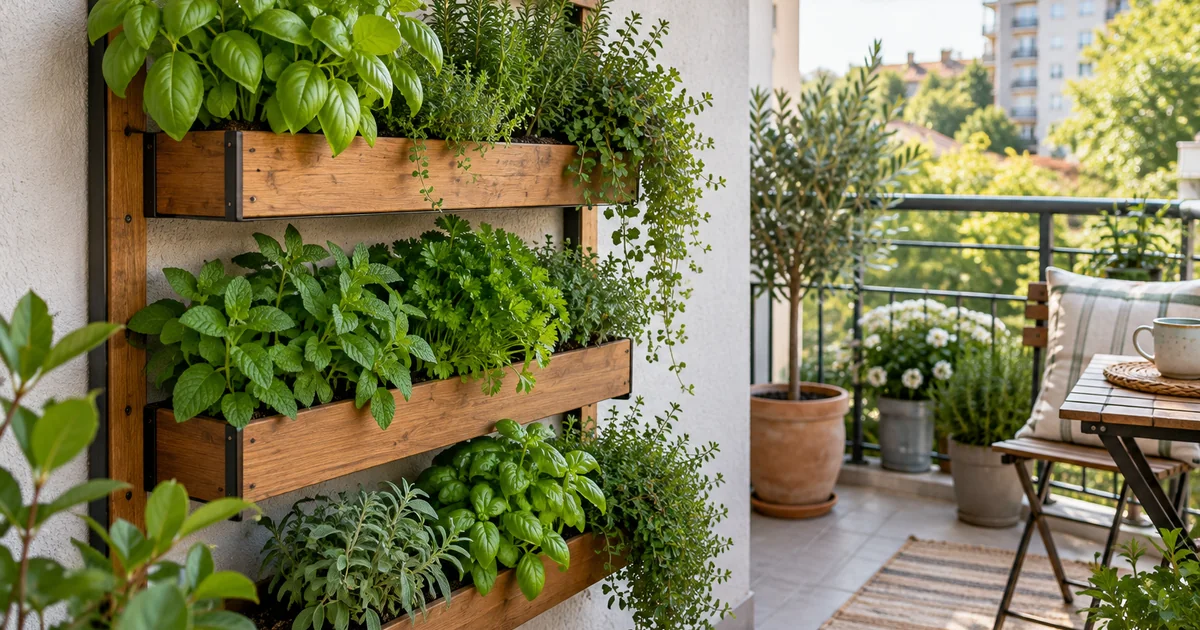
For building a simple vertical garden at home, start by observing the plant and the space where it grows. Good advice accounts for the species, season, airflow, light, and drainage. Conditions vary from home to home, so use those details to choose a reasonable next step; no calendar or formula works equally well for every pot.
Observe the plant and its growing conditions. Change one thing at a time, then watch new growth and adjust care to the species.
Look Before You Act
Check new and older leaves, stems, the potting-mix surface, and the undersides of leaves. Compare what you see with earlier photos if you have them. One symptom rarely tells the whole story: yellowing, for example, can come from normal aging, watering issues, a sudden light change, or another stressor. Note recent changes such as location, temperature, and watering frequency.
Check the plant in good light, and do not judge moisture by the surface alone. The top can feel dry while the mix below is still damp, or look dark after the rest of the pot has dried. Combine clues: lift the container, check a little below the surface, and consider what you know about the plant.
Understand the Growing Conditions
Check how much light the spot gets throughout the day, whether it receives direct sun, drafts, reflected heat, or cold spells. Also check that water drains through the pot and does not sit in a saucer. For building a simple vertical garden at home, growing conditions matter as much as technique. The same routine may work in one setting and be too much in another.
Check the plant in good light, and do not judge moisture by the surface alone. The top can feel dry while the mix below is still damp, or look dark after the rest of the pot has dried. Combine clues: lift the container, check a little below the surface, and consider what you know about the plant.
A Careful Step-by-Step Approach
1. Identify the plant when you can, and look up its specific needs. 2. Check the potting mix and roots without tugging or squeezing the plant. 3. Make only the change that is needed, using clean tools. 4. Keep conditions steady and watch the plant for several days. 5. Record what you did so you do not repeat incompatible treatments. If the plant gets worse, revisit your assumptions before adding fertilizer, water, or other products.
Check the plant in good light, and do not judge moisture by the surface alone. The top can feel dry while the mix below is still damp, or look dark after the rest of the pot has dried. Combine clues: lift the container, check a little below the surface, and consider what you know about the plant.
Adjustments That Can Help
Make changes gradually. If you are adjusting light, move the pot a little at a time; do not move a shade-grown plant straight into strong sun. When watering, wet the mix evenly and let excess water drain. Do not leave the pot standing in water. Choose a container with drainage that fits the root ball. These are starting points, not a substitute for identifying the plant.
Check the plant in good light, and do not judge moisture by the surface alone. The top can feel dry while the mix below is still damp, or look dark after the rest of the pot has dried. Combine clues: lift the container, check a little below the surface, and consider what you know about the plant.
Common Mistakes
Avoid following a rigid schedule without checking the pot, using fertilizer as the first response to a stressed plant, mixing household products, or pruning too heavily. A damaged leaf does not always mean a contagious disease. Making several changes at once makes it harder to tell what helped and can add stress. Follow the label on any gardening product, keep it away from children and pets, and use it on edible crops only when the label permits.
Check the plant in good light, and do not judge moisture by the surface alone. The top can feel dry while the mix below is still damp, or look dark after the rest of the pot has dried. Combine clues: lift the container, check a little below the surface, and consider what you know about the plant.
How to Track Progress
Watch new leaves, stem firmness, and potting-mix moisture. Severely damaged leaves may not return to normal, so judge progress by what grows next. If spots spread, insects multiply, an unpleasant odor develops, or the plant declines quickly, isolate the pot if that can protect nearby plants and seek a reliable identification. For vegetables, follow the label’s preharvest interval for any product approved for that crop.
Check the plant in good light, and do not judge moisture by the surface alone. The top can feel dry while the mix below is still damp, or look dark after the rest of the pot has dried. Combine clues: lift the container, check a little below the surface, and consider what you know about the plant.
Adapt Care to Your Home
Measure the available space and consider foot traffic, wind, direct sun, reflected heat, and the weight of wet containers. On a balcony, use stable supports and keep doors and walkways clear. A newly purchased plant may need time to adjust to its new conditions. Reassess the location as the seasons change, since the sun’s angle and day length change too.
To put this into practice, note the current conditions and take a photo. Check again in a few days under similar conditions. If the plant declines quickly, develops an unusual odor, has a growing pest problem, or shows symptoms you cannot identify, pause further treatments and ask a trusted local source—such as a county extension office, knowledgeable nursery, or plant-identification service—for help.
Give Changes Time
Measure the available space and consider foot traffic, wind, direct sun, reflected heat, and the weight of wet containers. On a balcony, use stable supports and keep doors and walkways clear. A newly purchased plant may need time to adjust to its new conditions. Reassess the location as the seasons change, since the sun’s angle and day length change too.
To put this into practice, note the current conditions and take a photo. Check again in a few days under similar conditions. If the plant declines quickly, develops an unusual odor, has a growing pest problem, or shows symptoms you cannot identify, pause further treatments and ask a trusted local source—such as a county extension office, knowledgeable nursery, or plant-identification service—for help.
When to Get a Reliable Identification
Measure the available space and consider foot traffic, wind, direct sun, reflected heat, and the weight of wet containers. On a balcony, use stable supports and keep doors and walkways clear. A newly purchased plant may need time to adjust to its new conditions. Reassess the location as the seasons change, since the sun’s angle and day length change too.
To put this into practice, note the current conditions and take a photo. Check again in a few days under similar conditions. If the plant declines quickly, develops an unusual odor, has a growing pest problem, or shows symptoms you cannot identify, pause further treatments and ask a trusted local source—such as a county extension office, knowledgeable nursery, or plant-identification service—for help.
Detailed guidance: building a simple vertical garden at home
Before choosing building a simple vertical garden at home for a home, list what matters: light, dimensions, ventilation, ease of watering, pet safety, and the time you can spend on maintenance. Choose plants that fit those conditions instead of trying to reshape the space around a demanding species. Confirm the botanical name, since common names can refer to different plants. If you have young children or curious pets, check toxicity with a reliable source and place pots securely.
Detailed guidance: building a simple vertical garden at home
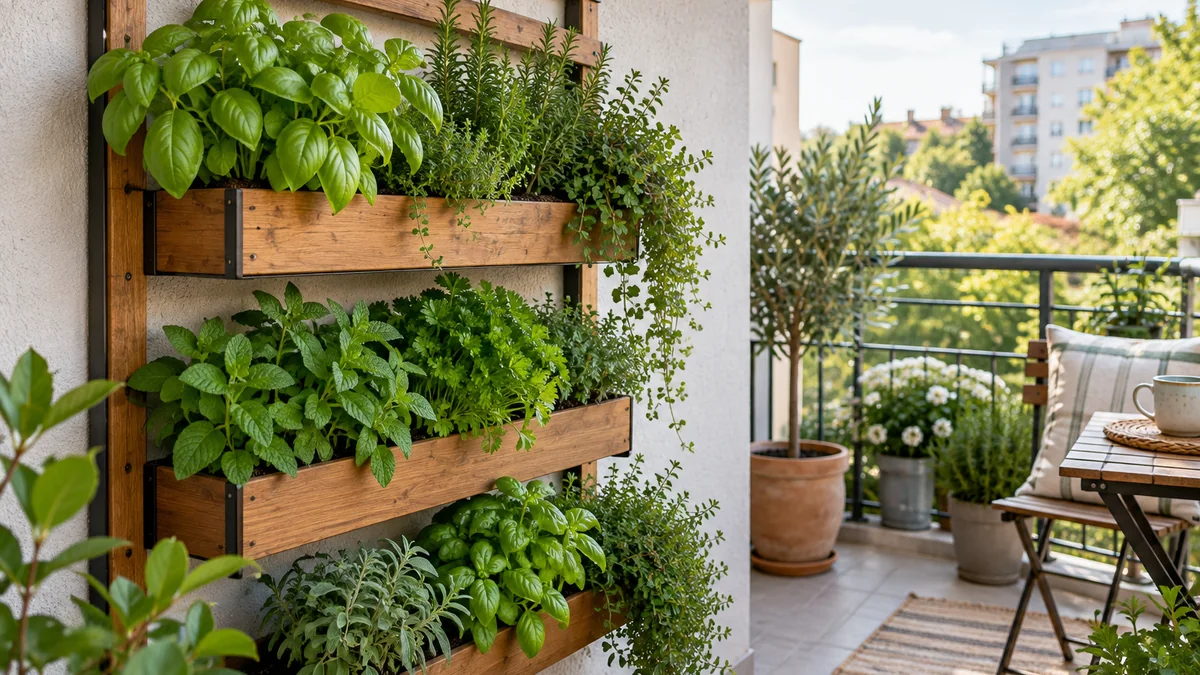
A small space may work better with a few well-placed plants than with many containers. Keep windows, doors, outlets, and work areas accessible. Consider a plant’s mature size, not just the size of the one you buy. Trailing plants can use vertical space, but they need secure supports and watering that will not drip onto furniture or neighbors. On shelves, account for the weight of a pot filled with wet mix. Do not install hooks without checking that the structure can hold the load.
Detailed guidance: building a simple vertical garden at home
Light changes with the season and time of day. Watch the sun’s path for a few days and note whether the spot gets direct sun, filtered light, or shade. A sunny balcony can heat dark containers; even a shady spot can have enough wind to dry leaves. Match plant choices to the conditions you actually have. If moving nursery plants into open sun, acclimate them in stages; sudden exposure can scorch leaves grown under cover.
Detailed guidance: building a simple vertical garden at home
Think about your maintenance routine, too: can you reach the pot to check the mix? Is water nearby? Can the container be moved safely? Avoid placing plants over electrical equipment or where spills can cause damage. In a poorly ventilated room, leave space between leaves for inspection and airflow. For a beginner, one hardy, identified plant can teach more than a large collection without time for regular care.
Detailed guidance: building a simple vertical garden at home
Revisit the arrangement as plants grow. Remove fallen leaves, keep walkways clear, and move pots if growth reaches into traffic areas. For vertical gardens, check fasteners and moisture regularly; different levels may dry at different rates. Do not use improvised supports over walkways. A green corner should stay safe and functional for everyone at home; appearance should not compromise access, cleanliness, or the well-being of people and pets.
Practical Recap
- Identify the plant and take stock of its growing conditions.
- Check light, drainage, and moisture before watering or fertilizing.
- Make gradual changes and watch the new growth.
- Avoid homemade mixtures and follow product labels.
Frequently Asked Questions
How often should I check on the plant?
Check regularly, adjusting for the plant and season. Checking does not mean you need to water or intervene every time.
Can I use the same advice for every plant?
No. Light, water, potting mix, and temperature needs vary. Identify the plant and adjust care accordingly.
When should I repot or replace the potting mix?
Consider drainage, root space, and the condition of the potting mix. Repotting when it is not needed can stress a plant.
Are homemade pest remedies safe to use?
Not always. Homemade mixtures can harm plants, people, pets, or food crops. Identify the problem first and choose an appropriate control method.
How long does it take to see improvement?
It depends on the cause, plant, and growing conditions. Watch new growth; damaged older leaves may not recover.
In Conclusion
Good plant care starts with observation and small, thoughtful adjustments. Use this article as a starting point, confirm the needs of your plant, and keep conditions steady while you assess how it responds.
Keep Reading
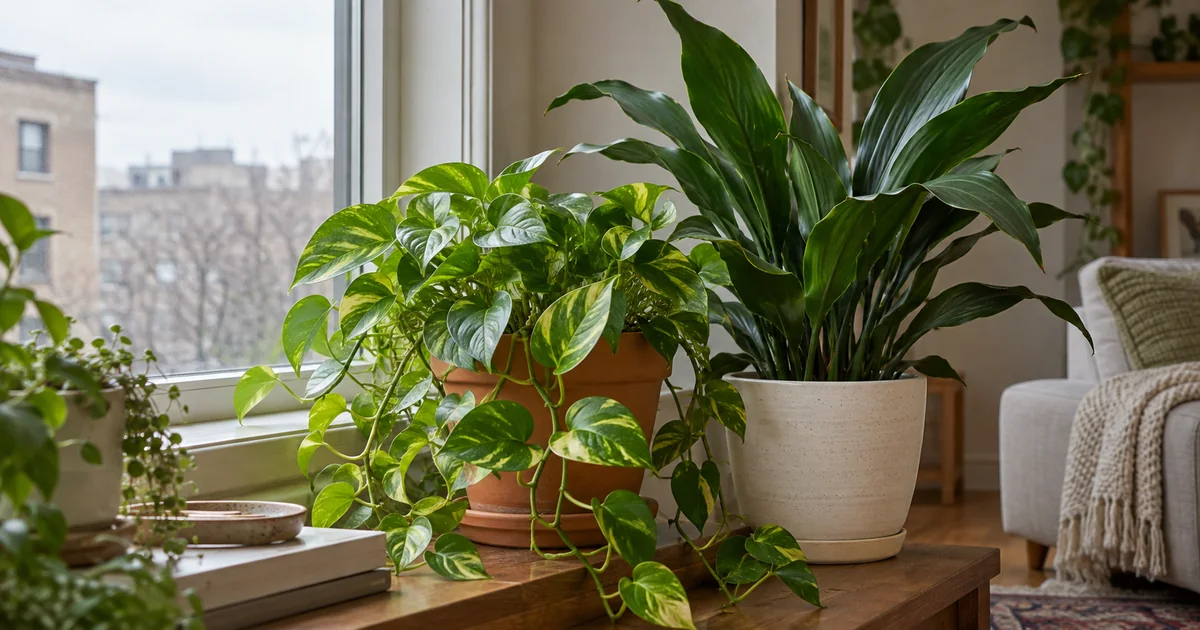 Indoor Plants
How to Choose Indoor Plants for Low-Light Rooms
A focused guide to choosing indoor plants for low-light rooms, with practical steps for assessing conditions and choosing care that fits the plant.
Read the guide →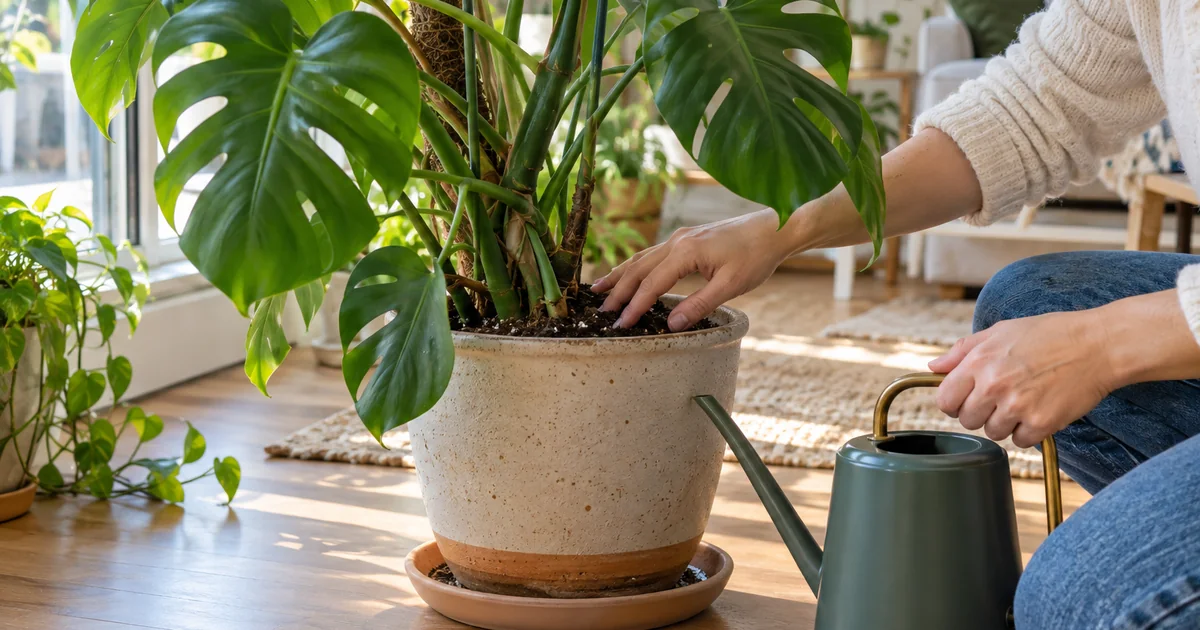 Indoor Plants
How to Water Houseplants Without Waterlogging the Soil
A focused guide to watering houseplants without waterlogging the soil, with practical steps for assessing conditions and choosing care that fits the plant.
Read the guide →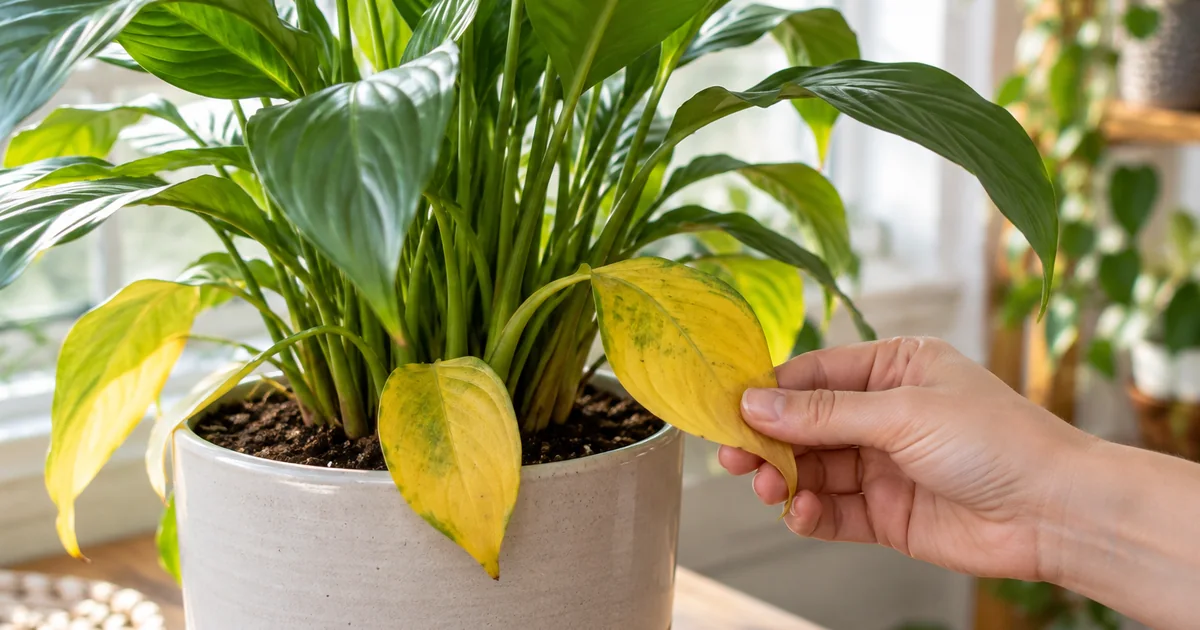 Plant Care
How to Diagnose and Fix Yellow Leaves on Houseplants
A focused guide to diagnosing and fixing yellow leaves on houseplants, with practical steps for assessing conditions and choosing care that fits the plant.
Read the guide →